Train a Stronger Mind: Daily Habits for Resilience
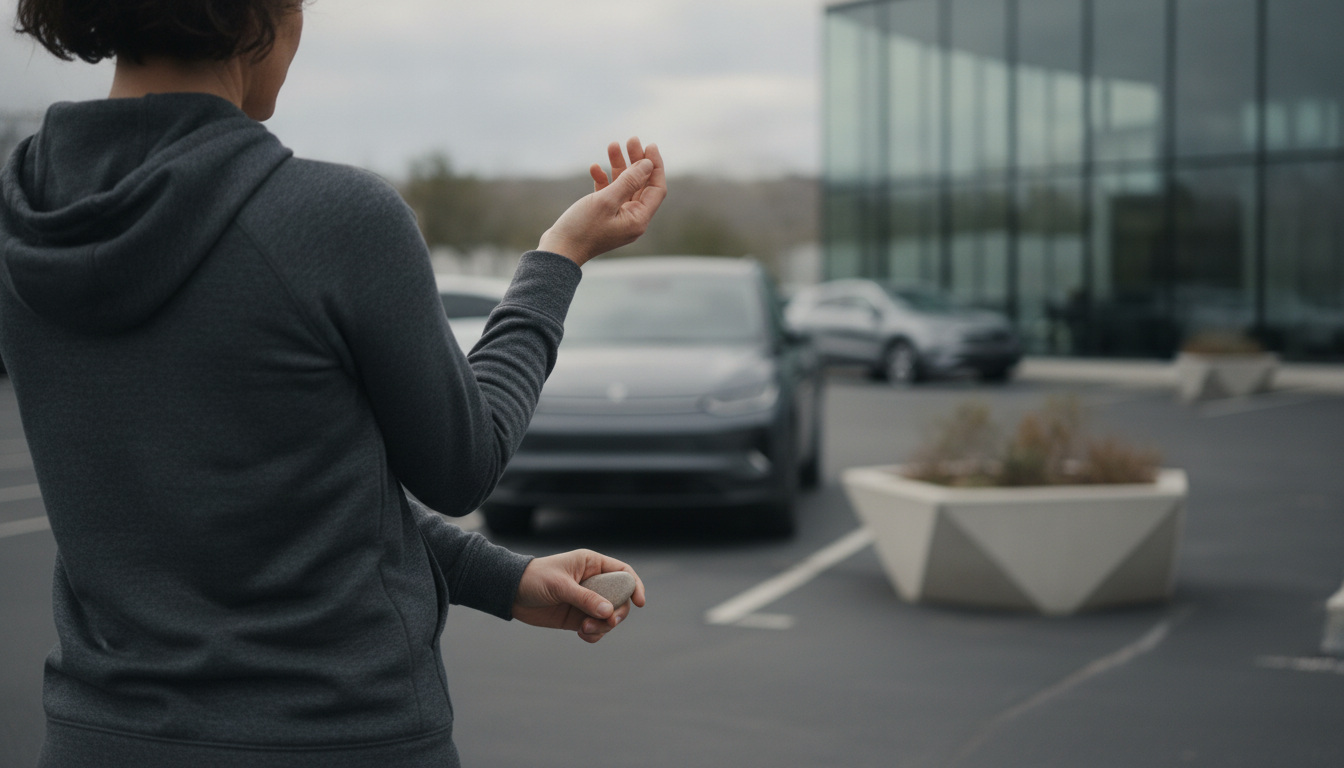
Can you train your mind to be stronger?
Yes—mental strength is trainable. Like building muscle, it comes from repeated practice that challenges your default reactions and reinforces better ones. A stronger mind doesn’t mean never feeling stress or doubt; it means noticing those signals sooner, recovering faster, and choosing actions that match your goals even when motivation dips.
How to build mental strength day by day
Practice “micro-discipline” (small promises kept)
Mental toughness grows when you prove to yourself you follow through. Pick one tiny daily commitment—drink a glass of water after waking, write three sentences, walk for 10 minutes—and do it no matter what. Consistency trains your brain to trust your decisions.
Reframe setbacks into useful data
Instead of labeling a mistake as a personal failure, treat it as feedback: What triggered it? What would a better response look like next time? This shift reduces emotional spirals and turns challenges into a repeatable learning loop.
Strengthen focus with short, protected sessions
Attention is a key part of mental strength. Set a 15–25 minute timer, silence notifications, and work on one priority. Ending sessions on time is as important as starting—your brain learns that focus is a skill you can “switch on” and “switch off” intentionally.
Use stress on purpose, then recover on purpose
Choose controlled discomfort: a brisk walk, a hard conversation you’ve been avoiding, or finishing a task when you’d rather quit. Pair it with deliberate recovery—sleep, breathing, stretching, or a short break—so your nervous system learns resilience, not burnout.
Build a mindset that supports long-term goals
Mental strength is easier when your routines line up with what you want most. For a practical approach to daily habits, goal-setting, and thinking patterns that support progress, see the Millionaire Mindset Workbook guide.
FAQ
What are simple daily habits that improve mental resilience?
Keep one small promise daily, do a short distraction-free work block, and reflect for two minutes on what worked and what didn’t. Add regular sleep and movement to make those habits stick under pressure.










Leave a comment