Cordless vs Corded Vacuums: Which Scares Pets Less?
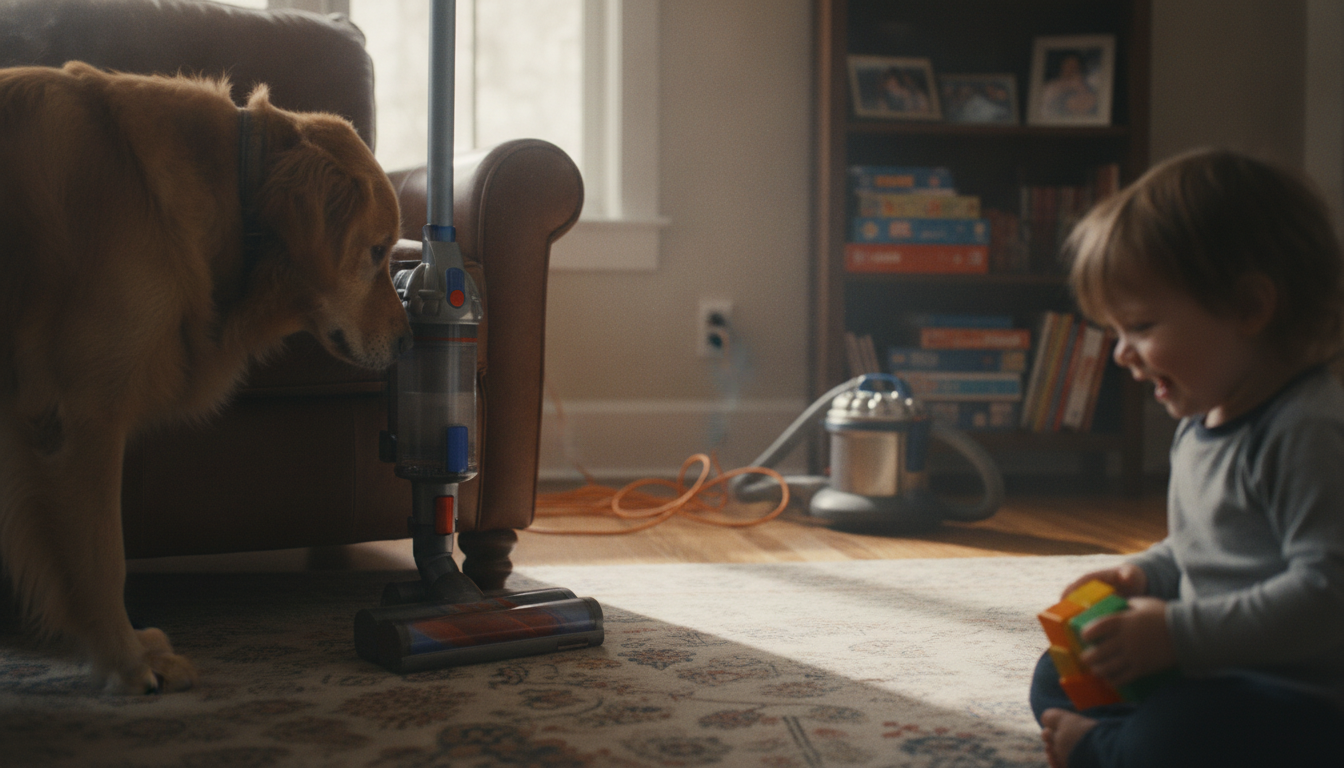
Are cordless vacuums less stressful for pets than corded vacuums?
Answer
Often, yes—cordless vacuums can be less stressful for pets, but it depends more on noise, movement, and how the vacuum is introduced than on the cord itself. Many cordless models are smaller and lighter, which can make them feel less “predatory” as they move around. They also tend to start more gradually and can be used in shorter bursts, giving pets fewer long, continuous noise exposures.
That said, some cordless stick vacuums have a high-pitched motor whine that certain dogs and cats find especially irritating. Corded uprights can also be perfectly manageable for many pets when the routine is consistent and the vacuum isn’t suddenly appearing or chasing them into corners.
The cord can add stress in a few practical ways: it may drag, bump furniture, or “snake” behind you, which can startle pets that are already on edge. A cord also limits where you can stand, sometimes forcing tighter turns that feel more unpredictable to a watchful animal. With cordless, movement can be smoother and more controlled—helpful if your pet reacts to fast direction changes.
To reduce stress with either type, focus on predictability and control: vacuum at a consistent time, keep your pet in a comfortable “safe zone,” and avoid vacuuming directly toward them. If your pet shows fear signs like panting, hiding, trembling, or frantic pacing, step back and work on gradual training rather than pushing through the session. For a step-by-step approach to recognizing stress signals and helping pets stay calm around household cleaning, see this guide to calming pets around the vacuum.
For Cordless vs Corded Vacuums: Which Scares Pets Less?, the best answer depends on fit, material, care instructions, and how the product will be used day to day.
FAQ
How can I help my pet stay calm while I vacuum?
Create distance (a closed room or gated area), add a calming background sound, and pair the vacuum’s presence with high-value treats in short sessions so your pet learns it predicts good things—not danger.












Leave a comment