5 At-Home Conflict Resolution Exercises for Couples

What are the best conflict-resolution exercises for couples to practice at home?
The best at-home conflict-resolution exercises are simple, repeatable routines that slow the conversation down, reduce defensiveness, and help both partners feel heard. The goal isn’t to “win” the argument—it’s to solve the problem while protecting the relationship.
1) The 10-minute calm-down + reconvene
When voices rise or you feel flooded, call a short break (10–20 minutes). Agree on a return time, then do something that actually lowers stress (walk, breathing, water). Come back and restart with one sentence each about what you want to solve.
2) Speaker–listener turns (with a summary)
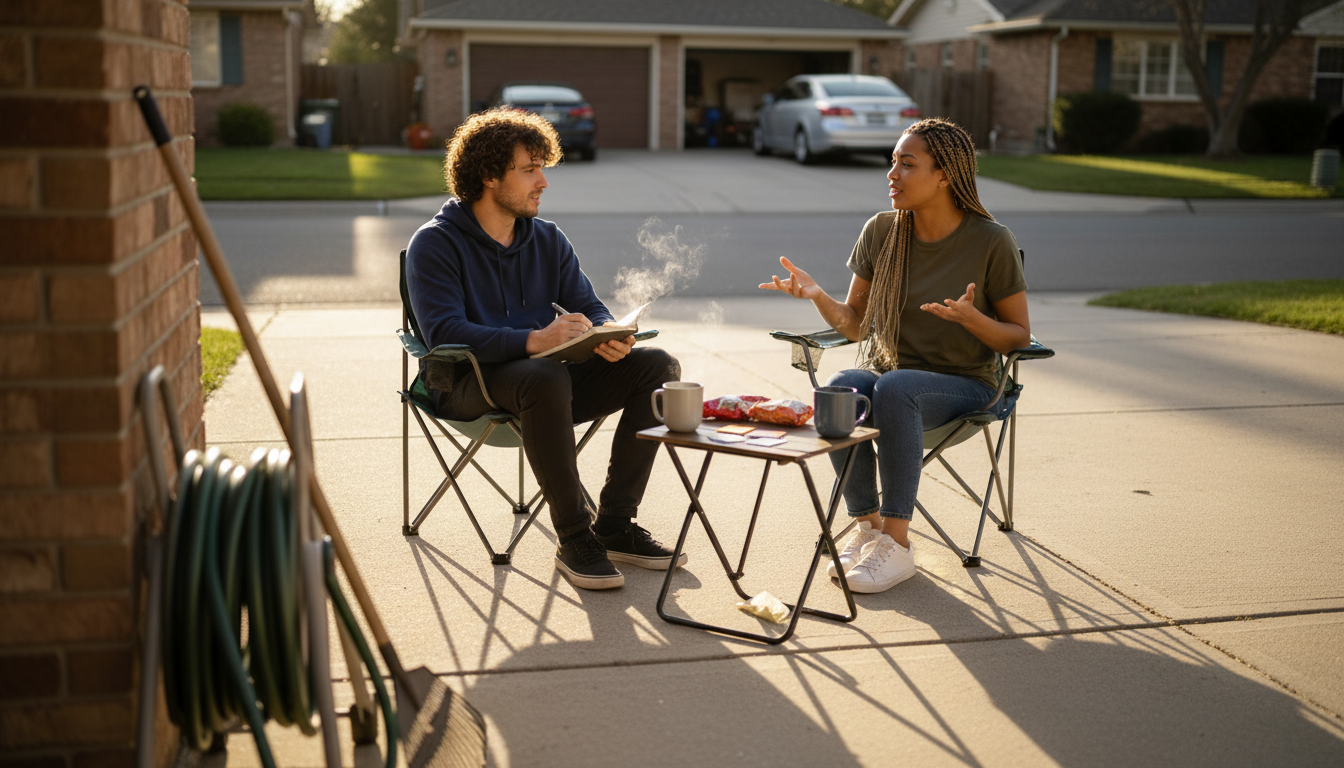
Set a timer for 2–3 minutes. One person speaks using “I” statements; the other only listens and then summarizes: “What I’m hearing is…” Switch roles. This exercise prevents interruptions and quickly reveals misunderstandings.
3) The “problem vs. person” rewrite
Together, write the issue as a neutral problem statement: “We’re struggling to agree on spending” instead of “You’re irresponsible.” Then list what each person needs, plus one shared goal. This keeps the discussion focused on solutions.
4) Needs-and-requests swap
Each partner writes two parts: (1) the underlying need (respect, rest, reassurance, autonomy), and (2) one specific, doable request for this week. Read them aloud without debating. Pick one request per person to try before the next check-in.
5) Repair attempt practice
Choose a “reset phrase” you’ll both honor (e.g., “Can we restart softer?”). Rehearse using it during a low-stakes disagreement so it feels natural when conflict is real. Repair attempts reduce spirals and build trust over time.
Make it easier with a guided workbook
If you want structure (prompts, reflection pages, and step-by-step exercises), use a printable resource designed for couples. Start here: Printable Couples Conflict Resolution Workbook guide.
FAQ
How do we stop the same argument from coming up over and over?
Identify the repeating trigger, agree on one small change each person will make, and set a weekly 15-minute check-in to review progress. Repetition usually means a need isn’t being addressed or expectations were never clarified.










Leave a comment