How Long to Desensitize a Pet to the Vacuum?
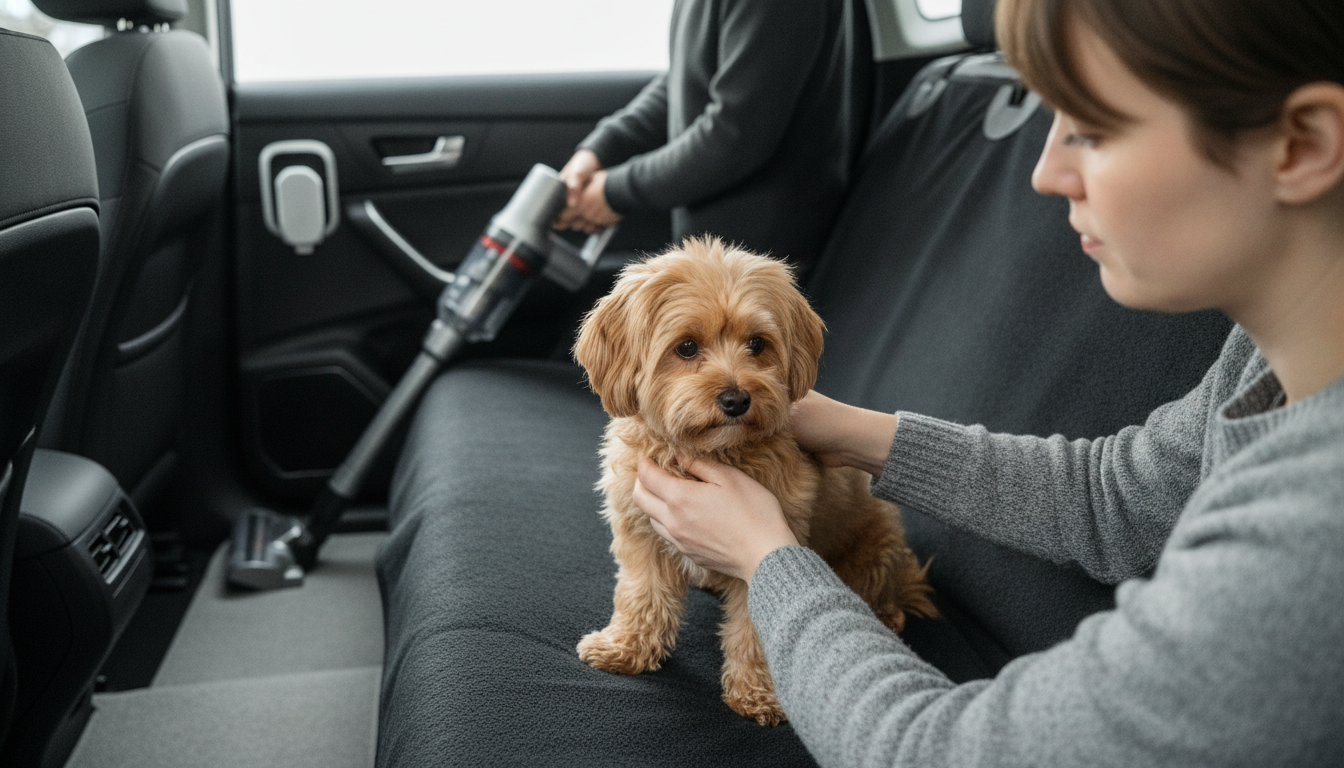
How long does it typically take to get a pet used to the vacuum?
Most pets show noticeable improvement within 1–3 weeks of consistent, low-stress practice, but the full timeline can range from a few days to 6–8 weeks. Confident, noise-tolerant pets may relax quickly, while sensitive animals or those with a past fright around loud appliances usually need a slower pace.
The biggest factor isn’t the calendar—it’s repetition without scary surprises. Short, predictable sessions (often 2–5 minutes) done several times per week typically work better than one long vacuuming day that overwhelms your pet.
What affects the timeline?
Temperament and past experiences
A curious pet that bounces back fast may only need a handful of calm exposures. A pet that has panicked before (bolting, trembling, hiding) may need weeks of gradual steps and extra distance from the sound.
How training is introduced
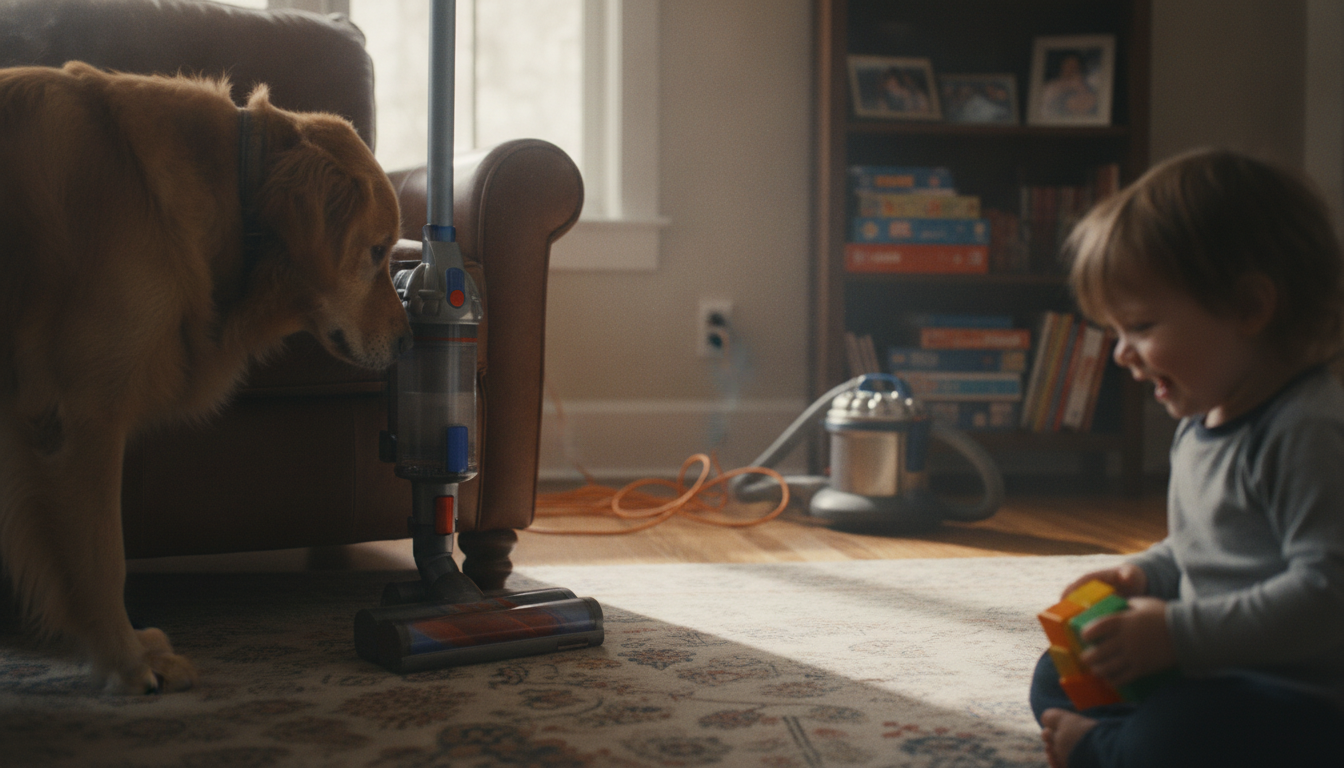
Pets adjust faster when the vacuum starts as a “neutral object” (off, stationary) before it ever turns on. Progress tends to stall when the vacuum suddenly appears at full volume near the pet.
Household routine and consistency
Practicing on a schedule helps. If vacuuming is random, loud, and close to your pet’s resting spots, it can reset progress and stretch the timeline.
What progress usually looks like (realistic milestones)
In the first few sessions, the goal is simply calm observation: your pet can stay in the room (or nearby) without frantic escape attempts. Within 1–2 weeks, many pets can tolerate the vacuum running at a distance while they focus on treats or a toy. By weeks 3–6, a lot of pets can remain relaxed as you vacuum larger sections, especially if they have a comfortable “safe zone” they’re allowed to use.
How to speed things up without pushing too hard
Keep the vacuum off at first, reward calm sniffing, then briefly turn it on far away and immediately reward. Increase time, volume, or proximity one step at a time. If your pet won’t take treats, is shaking, or is trying to flee, the step is too big—back up and try again later.
For a step-by-step approach and common stress signals to watch for, see the full guide: How to Calm Pets Around the Vacuum.
FAQ
What are the signs my pet is stressed by the vacuum?
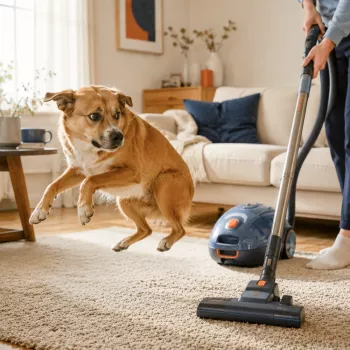
Common signs include hiding, trembling, panting, pinned-back ears, a tucked tail, pacing, barking or growling, and refusing treats. If you notice these, increase distance and slow the training steps.









Leave a comment