Adult Memory Boost: 6 Activities That Really Help
What activities are good for adults to improve memory?
Adults can strengthen memory by combining mentally challenging tasks, movement, and daily habits that encourage recall. The most effective activities feel a little effortful (but doable) and happen consistently, not just once in a while.
1) Recall training (not just rereading)
Instead of reviewing notes over and over, practice pulling information from memory. Try a quick “brain dump” after reading an article, then check what you missed. Spaced repetition (reviewing after 1 day, 3 days, 1 week) makes recall stick. For ready-to-use exercises, see these memory-boost worksheets and recall training ideas.
2) Learn a new skill with progressive difficulty
Memory improves when the brain has to encode new patterns. Great options include learning a language, taking beginner piano or guitar lessons, or following a new recipe style each week. Pick one skill and increase difficulty gradually—new vocabulary, new songs, or more complex steps.
3) Strategic puzzles and games
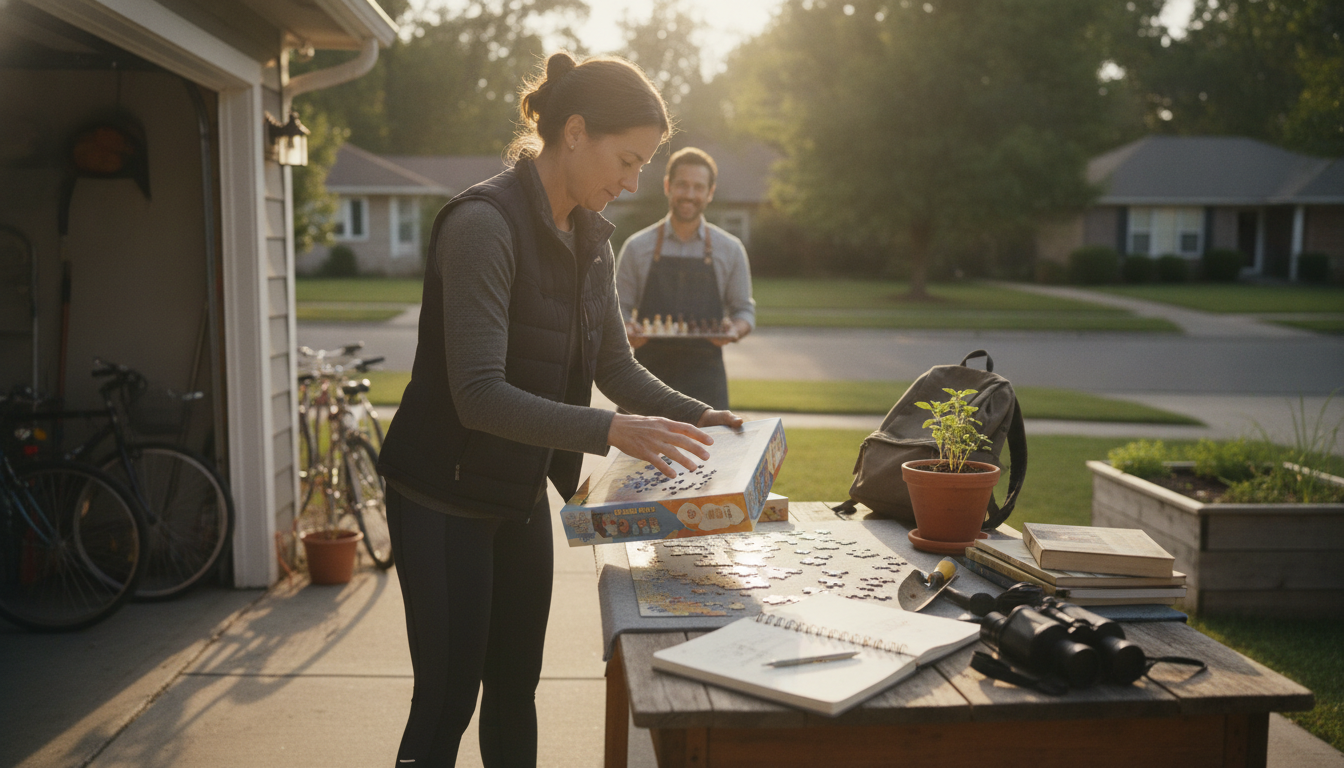
Choose activities that require working memory and planning: crossword puzzles, Sudoku, logic grids, bridge, chess, or even card-matching games with a twist (add time limits or extra cards). Rotating games prevents autopilot and keeps the challenge fresh.
4) Move your body to support your brain
Brisk walking, cycling, swimming, and strength training can support memory by improving blood flow and reducing stress. Aim for a mix of aerobic activity and resistance work during the week, even in short sessions.
5) Use “everyday memory” drills
Turn routine moments into practice: memorize a short grocery list before looking at your phone, recall names after social events, or summarize a conversation in three bullet points later that day. Small, repeated reps add up.
6) Sleep and stress resets
Memory consolidation happens during sleep. Keep a consistent bedtime, limit late caffeine, and add brief relaxation (box breathing or a 10-minute unwind walk) to reduce stress-related forgetfulness.
FAQ
How can I train my brain to remember things faster?
Use active recall with short, timed practice sessions and review the same material on a spaced schedule (later today, tomorrow, then a few days after). Pair it with good sleep to lock in what you practiced.










Leave a comment